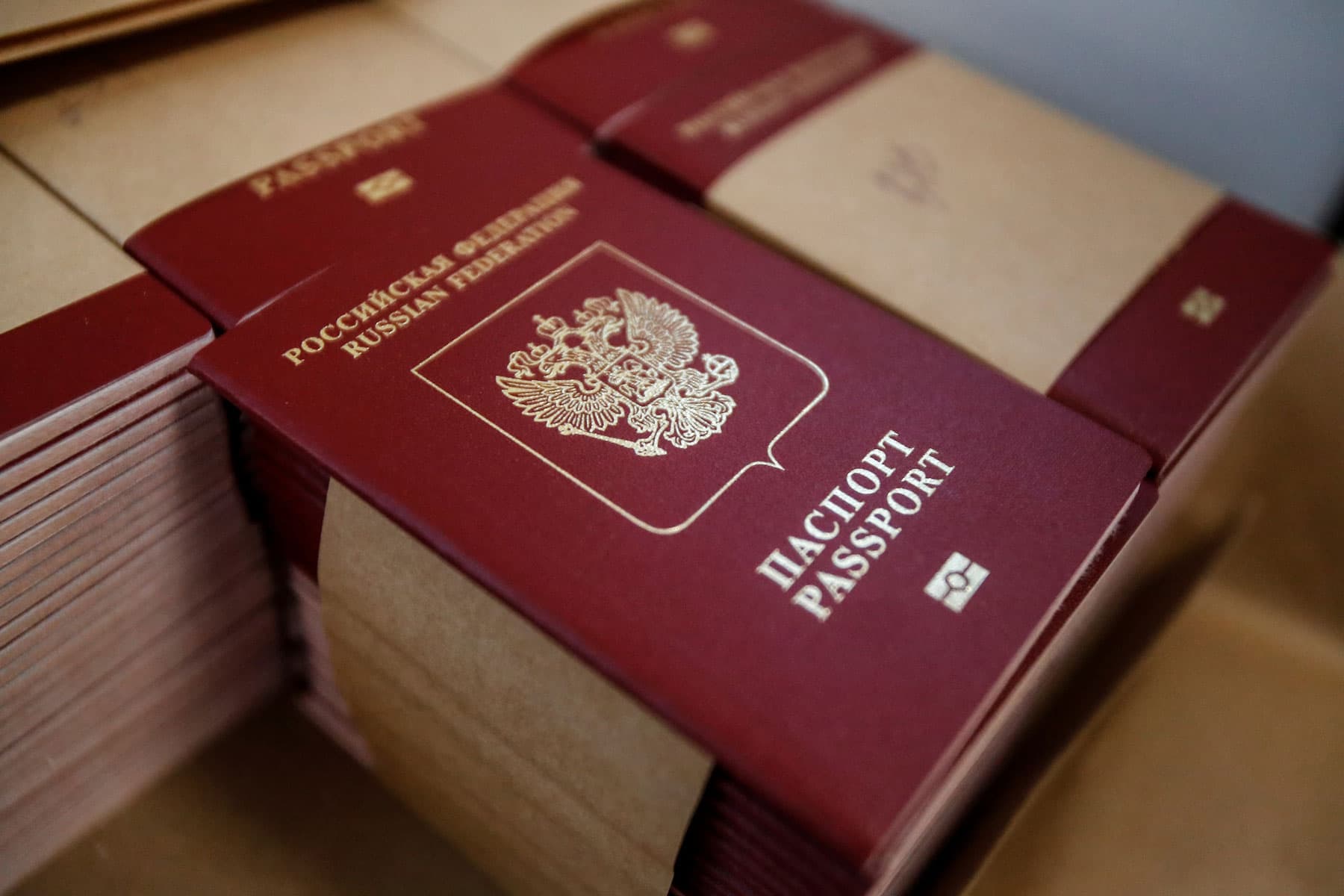
Nevertheless, geopolitical shifts over recent years have created a distinct operational framework for applicants from Russia and Belarus. The main complexities lie in executing international financial transactions, passing intermediary bank compliance checks, and transferring capital into U.S. investment funds.
Program Legitimacy and Regulatory Thresholds
The EB-5 Reform and Integrity Act of 2022 (RIA) reauthorized the program and established core parameters effective through September 30, 2027. Citizens of Russia and Belarus submit petitions under standard procedures in accordance with current U.S. Citizenship and Immigration Services (USCIS) regulations.
The minimum investment threshold is $800,000 for investments in Targeted Employment Areas (TEAs). These include Rural Areas or urban locations experiencing unemployment rates at least 150% of the national average. For non-TEA projects, the minimum capital requirement is fixed at $1,050,000. Capital placed at risk must generate at least 10 full-time jobs for qualifying U.S. workers per investor.
The program offers two investment structures:
- Direct EB-5 Investments: Creating or acquiring an operating business in the U.S., with direct payroll reporting for 10 W-2 employees.
- Regional Center Investments: Investing through limited partnerships sponsored by approved Regional Centers,where job creation is measured using indirect and induced economic methodologies.
Approximately 93% of investors from Russia and Belarus select the Regional Center path. This model eliminates the operational burden of daily business management and distributes job-creation risks across major commercial real estate developments.
Documenting Source of Funds (SOF)
Proving the lawful Source of Funds (SOF) represents the central phase of preparing the Form I-526E petition. An applicant must establish a clear, documented audit trail for the full $800,000 investment sum, as well as Regional Center administrative fees (typically $70,000 to $80,000) and legal costs.
USCIS accepts capital derived from the following sources:
- Corporate distributions and business income.
- Accumulated salary supported by personal income tax filings.
- Proceeds from the sale of real estate or corporate equity.
- Unearned equity gifts from immediate family members.
- Secured loan proceeds backed by personal assets (such as real estate or equity pledges).
For investors holding Russian or Belarusian passports, the depth of SOF verification has intensified. USCIS mandates a comprehensive financial trace. For property sales, primary acquisition contracts, national registry extracts, bank credit advisories, and tax payment receipts must be submitted. For dividend distributions, corporate financial statements covering the preceding 3 to 5 years are carefully examined.
USCIS adjudicators focus heavily on currency conversion chains and capital movement paths. All primary documents originating in Russian must be accompanied by certified, notarized English translations.
Financial Logistics and Transaction Routing
Direct wire transfers from Russian or Belarusian financial institutions to U.S. escrow accounts or EB-5 partnerships are generally unavailable due to SWIFT disconnections and OFAC sanctions compliance. Investors utilize compliant, multi-tiered capital transfer mechanisms.
The standard capital routing framework involves establishing accounts in compliant third-country jurisdictions:
- Transferring funds from non-sanctioned financial institutions in Russia/Belarus to banking entities in Kazakhstan,Armenia, Serbia, the UAE, or Turkey.
- Converting local currency into hard currency (USD or EUR).
- Undergoing enhanced due diligence (EDD) and compliance checks at the third-country bank.
- Executing an outbound SWIFT transfer to the Regional Center’s escrow account in the United States.
Every transfer point requires supporting documentation. Investors must provide U.S. bank compliance officers with complete account statements showing an unbroken chain of custody for the specific funds, from their origin to the final escrow destination.
Unsecured cryptocurrency transactions or cash movements lacking a verified audit trail are strictly disallowed. Digital asset transactions (such as fiat-backed stablecoins/USDT) are accepted by USCIS only when purchased through institutional exchanges adhering to full KYC/AML procedures, with final fiat conversions deposited directly into the investor's verified bank account.
Immigration Procedure and Processing Timeline
Obtaining U.S. permanent residency through the EB-5 program follows a three-stage statutory process.
Stage 1: Filing Form I-526E
The Regional Center and immigration counsel assemble the petition package for submission to USCIS. Investments in Rural Area projects qualify for priority processing. Average I-526E approval timelines for rural projects range from 8 to 12 months. Urban TEA processing times currently range between 24 and 36 months.
Stage 2: Conditional Green Card Issuance
Upon I-526E approval, the investor and qualifying dependents (spouse and unmarried children under age 21) attend an immigrant visa interview. The U.S. Embassy in Moscow does not currently process immigrant visas. Russian citizens complete consular processing in Tashkent (Uzbekistan) or Warsaw (Poland). Belarusian citizens attend interviews at consular posts in Minsk (when operational) or designated neighboring posts. For investors maintaining valid nonimmigrant status within the United States (such as F-1, L-1, or B1/B2), concurrent filing of Form I-485 (Adjustment of Status) with Form I-526E is permitted. This enables applicants to obtain Employment Authorization Documents (EAD) and Advance Parole travel documents within 3 to 6 months.
Stage 3: Removal of Conditions (Form I-829)
21 months following conditional Green Card issuance, Form I-829 is filed. The investor must demonstrate that the capital remained continuously at risk throughout the sustainment period and that the requisite jobs were fully created. Approval of Form I-829 grants unconditional, permanent U.S. residency.
Financial Structure and Capital Return
EB-5 investments are statutorily required to involve financial risk; U.S. regulations strictly prohibit developers or Regional Centers from offering guaranteed returns or capital buybacks.
Standard market parameters:
- Investor Preferred Return: 0.25% to 2.0% per annum.
- Capital Sustainment Period: 4 to 6 years, with developer extension options (typically 1–2 years).
- Capital Return Mechanism: The principal ($800,000) is returned following asset refinancing, property liquidation, or senior loan payoff by the developer.
Selecting a Regional Center requires thorough financial due diligence. Investors must evaluate historical track records (I-526/I-829 approval rates and past principal repayments), the proportion of senior bank debt in the capital stack, and the developer’s equity contribution—which typically should represent at least 15% to 20% of total project costs.
The EB-5 program remains a viable, legally structured, and predictable pathway to U.S. permanent residency for citizens of Russia and Belarus, provided financial logistics and source of funds documentation are meticulously executed.
This material is for general information only and does not constitute legal, immigration, investment, or tax advice. Program requirements and processing practices may change. Individual results depend on the applicant’s circumstances, visa availability, USCIS decisions, and project performance.