The Single-Property Model: The Math Behind Real Single-Family Rental Returns
A financial model for a $500,000 property with a base rent of $3,500 per month ($42,000 annually) illustrates how cost allocations erode returns. Property taxes in Florida average 1.8% of assessed value, requiring $9,000 per year. Insurance policies covering hurricane and flood risks run approximately $5,000 annually. Homeowners association (HOA) dues absorb $4,800 per year ($400 monthly). Professional property management fees claim 10% of collected rent ($4,200 per year). Tenant turnover (vacancy rate) modeled at 6% reduces gross revenue by another $2,520. A mandatory reserve for ongoing maintenance and capital expenditures (CapEx reserve) claims a minimum of 8% of rental income ($3,360 annually).
Total operating expenses reach $28,880 per year, leaving a net operating income (NOI) of $13,120. The actual Net Cap Rate sits at 2.62% before debt service. Layering on mortgage financing at 6.5–7.0% pushes the debt service coverage ratio (DSCR) below 1.0, generating negative monthly cash flow.
Fixed capital expenditures introduce a structural imbalance into single-property models. Replacing an HVAC system costs $12,000, while full roof replacement ranges from $18,000 to $25,000. These single-event expenses wipe out three to four years of net operating income.
Risk Concentration and Legal Realities for Private Landlords
Owning one or two residential properties creates extreme asset-level risk concentration. A single vacancy instantly drops portfolio occupancy to 0%, shifting full responsibility for property taxes, insurance premiums, and HOA assessments directly onto the owner.
Evicting a non-paying tenant results in direct capital write-downs. In tenant-friendly jurisdictions like California or New York, eviction proceedings typically drag on for 6 to 12 months. Legal fees, attorney retainers, and lost rent culminate in losses between $25,000 and $40,000. In Florida, evictions take 45 to 60 days, incurring $3,000 to $5,000 in direct legal expenditures.
State-level regulatory changes further intensify financial pressures. Florida's SB 4-D legislation mandates mandatory structural integrity reserve studies and full funding of capital reserves for condominium associations. This has triggered special assessments ranging from $10,000 to $50,000 per unit. Meanwhile, municipal fines for unpermitted short-term rentals in Miami Beach reach up to $20,000 for a first offense.
Divergent dynamics in the U.S. insurance sector place additional pressure on profitability. Between 2021 and 2026, Florida residential insurance rates surged by 100% to 300% due to capacity constraints in the global reinsurance market. Self-managing a small residential portfolio demands constant operational oversight, suppressing overall capital efficiency.
Institutional Alternatives: Build-to-Rent and Last-Mile Logistics
Institutional capital concentrates in specialized commercial real estate asset classes: purpose-built Build-to-Rent (BTR) communities and last-mile logistics facilities.
The Build-to-Rent sector consists of single-family subdivisions ranging from 100 to 300 homes designed and constructed specifically as long-term rental communities under centralized management. Economy of scale lowers operating expenses (OpEx) to 25–30% of gross revenue through bulk purchasing, dedicated on-site maintenance teams, and high unit density. BTR communities deliver net cap rates of 5.5–6.5% and target internal rates of return (IRR) of 14–18%.
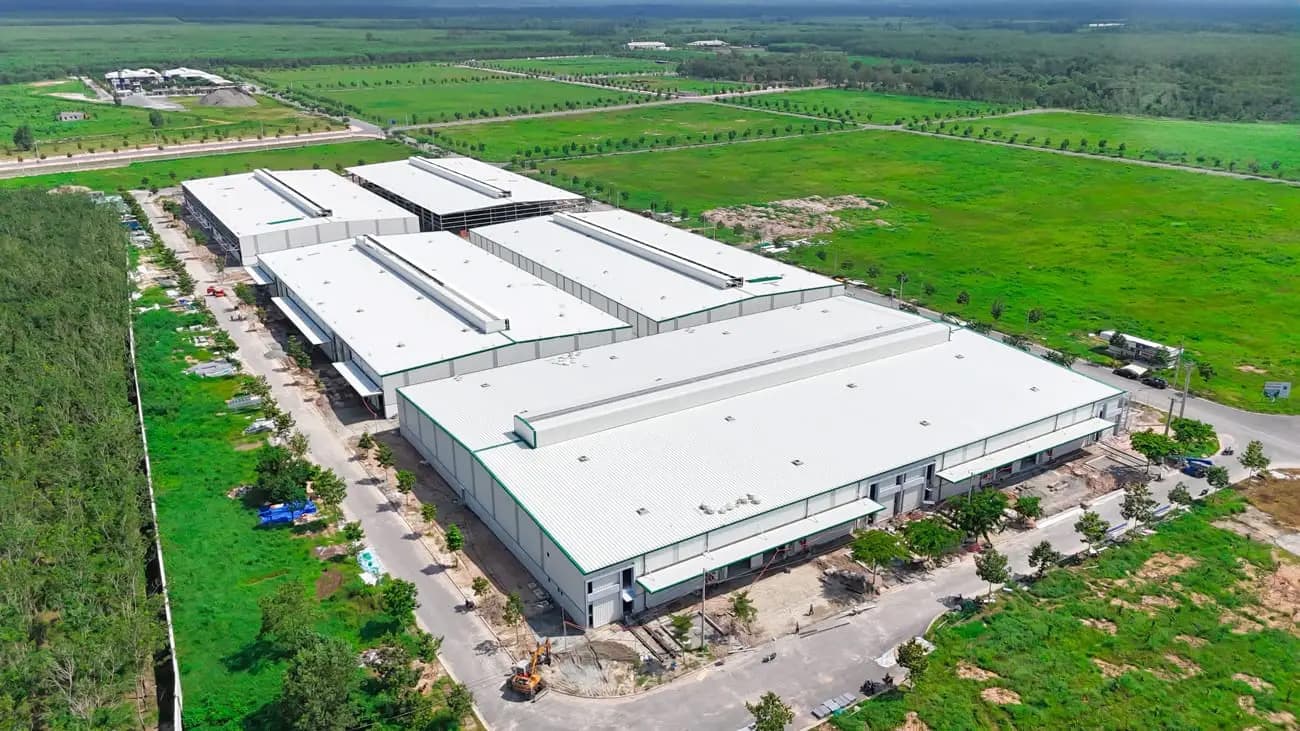
Industrial real estate and last-mile warehouses utilize triple-net (NNN) lease structures. Under an NNN lease contract, the tenant assumes direct responsibility for property taxes, building insurance, utility costs, and structural maintenance. The property owner’s operational overhead is virtually zero.
Last-mile warehouses are leased to creditworthy corporate tenants (logistics operators, national retailers) under long-term contracts with a Weighted Average Lease Term (WALT) of 5 to 10 years. Leases feature contractual annual rent escalations of 3–4%, insulating cash flows against inflation. Post-debt net yields on NNN warehouses range from 6.0% to 7.0%, delivering predictable, distributed cash flow without exposure to unbudgeted capital repairs.
Syndication Mechanics and Tax Optimization via PERE Funds
Private investors access institutional-grade assets through Private Equity Real Estate (PERE) funds and syndications structured under SEC Regulation D Rule 506(c). Accredited investor status requires a net worth exceeding $1 million (excluding primary residence) or annual income over $200,000 ($300,000 jointly) for the preceding two years. Minimum investment thresholds start at $50,000 to $100,000.
Fund capital is split into Limited Partner (LP — passive investor) and General Partner (GP — sponsor) classes. LP rights are protected through a waterfall distribution framework.
The distribution structure establishes a preferred return hurdle of 7–8% annually. LP investors receive 100% of available cash flow until the preferred return target is fully met. Only then are remaining profits split, typically 80% to LPs and 20% to the GP as a promote fee.
Institutional funds maximize tax efficiency through cost segregation studies. An engineering analysis reclassifies building components into accelerated depreciation schedules (5-, 7-, and 15-year property), such as land improvements, paving, specialized electrical systems, and interior finishes. This process allows funds to write off 25–30% of total asset value as a tax loss in year one.
The fund issues an annual Schedule K-1 tax document to each investor. Paper depreciation losses offset distributed cash income. Investors receive physical cash distributions while reporting zero or negative passive taxable income to tax authorities. Upon asset disposition, the fund executes a Section 1031 like-kind exchange. Reinvesting all net proceeds into a replacement property within 180 days defers capital gains taxes indefinitely.
This material is for general information only and does not constitute legal, immigration, investment, or tax advice. Program requirements and processing practices may change. Individual results depend on the applicant’s circumstances, visa availability, USCIS decisions, and project performance.