An investor's total timeline comprises initial Form I-526E processing, consular processing or Adjustment of Status, and the subsequent removal of conditions via Form I-829.
Actual USCIS Processing Timelines for Core EB-5 Forms
Official median processing figures at USCIS depend on the petition type, priority status of the project, and current caseload at the Immigrant Investor Program Office (IPO).
Processing benchmarks for primary program forms:
-
Form I-526E (Regional Center Investor Petition): Standard processing times range between 24 and 54 months. Projects with pre-approved Form I-956F filings typically advance 6 to 12 months faster.
-
Form I-526E for Rural Area Projects: The RIA mandates priority processing for rural developments. Actual Form I-526E adjudication for this category ranges from 6 to 12 months.
-
Form I-829 (Petition by Investor to Remove Conditions): Processing spans 36 to 66 months. During adjudication, the investor's permanent resident status is automatically extended for 48 months via the official I-797 Receipt Notice.
-
Form I-956F (Application for Approval of an Investment in a Regional Center): Review of project business plans and structures takes 12 to 24 months. Investors may file Form I-526E immediately upon receiving the I-956F receipt notice without waiting for final approval.
3 Legal Mechanisms to Accelerate the Path to Permanent Residency
Investors utilize specific legal frameworks to shorten processing delays and secure legal status in the US while awaiting USCIS decisions.
1. Selecting Rural Category Projects
The RIA sets aside 20% of the annual EB-5 visa quota for investments in rural areas (located outside Metropolitan Statistical Areas with populations under 20,000). USCIS processes these petitions on a priority basis, with Form I-526E approvals frequently issued within 6 to 10 months.
2. Concurrent Filing
If an investor resides legally in the US under a valid non-immigrant status (such as H-1B, L-1, F-1, or E-2), regulations permit the simultaneous submission of Form I-526E and Form I-485 (Application to Register Permanent Residence or Adjust Status).
Alongside Form I-485, the investor receives key interim benefits:
-
Advance Parole (Form I-131): Travel authorization enabling entry and exit from the US without abandoning the immigration process (issued in 6–9 months).
-
Employment Authorization Document / EAD (Form I-765): Unrestricted work authorization in the US (issued in 3–6 months).
This procedure allows investors and their families to live, work, and study in the United States prior to formal Form I-526E approval.
3. Writ of Mandamus Lawsuits
If Form I-526E or Form I-829 adjudication extends past standard regulatory timeframes (exceeding 24–30 months for non-rural projects), the investor has the legal right to file a Writ of Mandamus action in US Federal District Court. The lawsuit compels USCIS to issue a final decision (an approval or a Request for Evidence) within 60 days of summons service. In over 90% of instances, filing prompts case resolution prior to formal court trial.
Consular Processing vs. Adjustment of Status: Additional Timelines
Once Form I-526E is approved, obtaining physical permanent resident status follows one of two legal pathways.
Option A: Consular Processing
Utilized by investors residing outside the United States.
-
Case Transfer to the National Visa Center (NVC): Takes 2–4 months following I-526E approval.
-
Document Submission and Fee Payment: 1–2 months.
-
Embassy Interview Scheduling: 4 to 10 months depending on processing backlogs at specific US consular posts.
-
Immigrant Visa Issuance: Valid for 6 months, within which the investor must enter the US to activate residency status.
Total consular processing duration spans 8 to 16 months.
Option B: Adjustment of Status Within the US (Form I-485)
Utilized when the investor is physically in the US via Concurrent Filing.
-
Biometrics Appointment: Scheduled 4 to 8 weeks after Form I-485 filing.
-
EAD Work Permit and Travel Authorization Issuance: 3 to 8 months.
-
Form I-485 Approval and Green Card Production: 8 to 18 months.
Checklist: Preventing Requests for Evidence (RFE) Delays
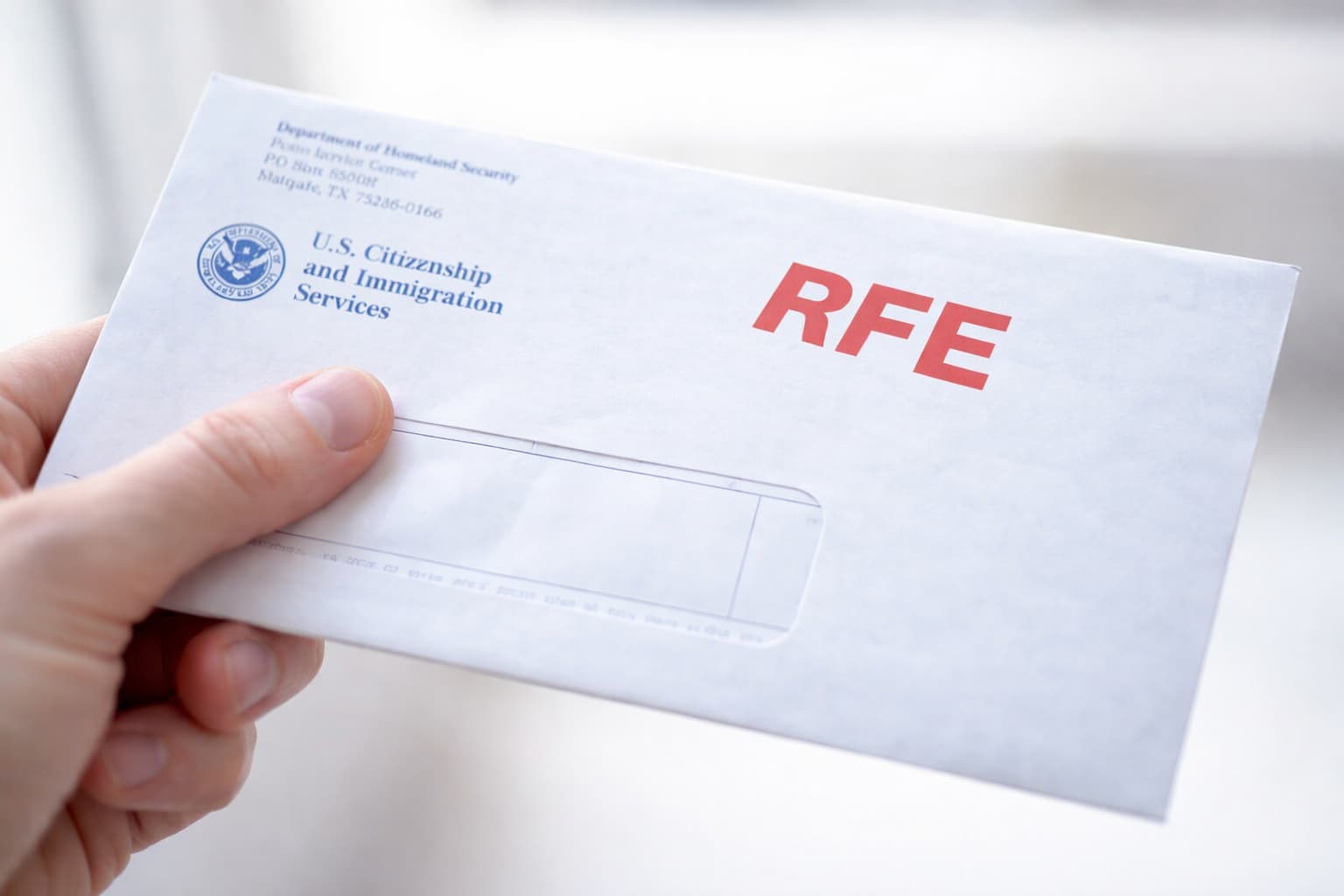
A Request for Evidence (RFE) from USCIS adds 6 to 12 months to overall processing. The majority of RFEs stem from insufficient documentation surrounding the Source of Funds (SoF).
To prevent RFEs, initial evidentiary filings must meet exacting standards:
-
Audited Paper Trail: Unbroken documentary proof detailing every transfer step of the $800,000 capital from initial origin (asset sales, dividends, executive compensation) to the escrow account.
-
Tax Filing Verification: Submission of official tax returns and tax payment receipts covering the entire invested sum.
-
Currency Conversion Documentation: Bank statements covering intermediate financial institutions involved in complex foreign exchange transactions.
-
Valid Targeted Employment Area (TEA) Status: Inclusion of official, current TEA designation letters at the exact date of petition submission.
Selecting priority rural projects and utilizing concurrent filing options inside the United States enable investors to reduce processing risks and establish residency status within months of capital deployment.
This material is for general information only and does not constitute legal, immigration, investment, or tax advice. Program requirements and processing practices may change. Individual results depend on the applicant’s circumstances, visa availability, USCIS decisions, and project performance.