Legislative Preferences and Visa Set-Asides
The RIA set the minimum investment threshold for Targeted Employment Area (TEA) projects at $800,000, compared to the standard $1,050,000 baseline. Out of the annual EB-5 visa quota, the law reserves 32% for set-aside categories. Within these set-asides, 20% is strictly allocated to rural projects (Rural TEAs), 10% to high-unemployment urban areas (Urban TEAs), and 2% to infrastructure projects.
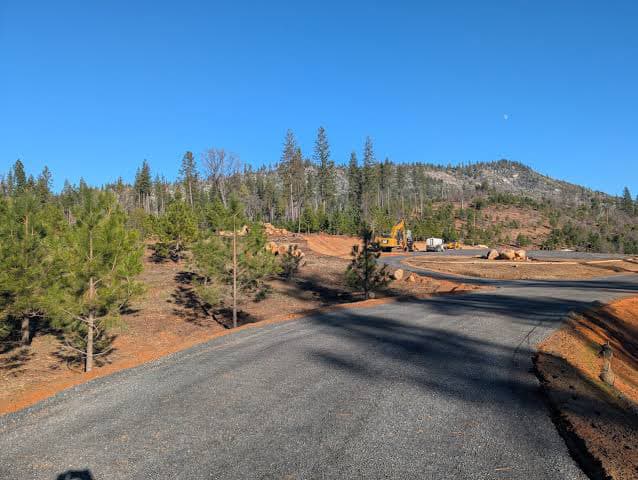
Under United States Citizenship and Immigration Services (USCIS) regulations, a rural area is defined as any location outside a Metropolitan Statistical Area (MSA) and outside any municipality with a population of 20,000 or more.
The primary advantage of the Rural category is priority processing for I-526E petitions by USCIS. Average adjudication times for rural projects range between 6 and 12 months, whereas urban TEA petitions face processing windows of 24 to 36 months.
For investors from India and the Middle East, visa retrogression and backlogs have become critical factors. The Unreserved (standard) category carries multi-year waiting lists due to the 7% per-country cap. Conversely, the 20% reserved quota for Rural TEAs remains unallocated and current on the monthly Visa Bulletin, eliminating the need for years of waiting in an investor's home country.
Economic Structure and Capital Preservation
Historically, rural developments were perceived as high-risk, low-liquidity assets. By 2026, the quality of market offerings has evolved significantly. Major developers have introduced institutional-grade asset classes into rural zones, including logistics hubs, data centers, master-planned resort communities, and manufacturing facilities.
A standard $100,000,000 EB-5 project capital stack typically reflects the following allocation:
- Senior Bank Debt: 50–60% ($50–$60M)
- EB-5 Mezzanine Debt / Preferred Equity: 20–30% ($20–$30M)
- Developer Equity: 15–20% ($15–$20M)
The core requirement of the EB-5 program is creating at least 10 full-time jobs per investor. In rural projects, developers structure a job cushion of 30% to 50% above the required threshold. Utilizing indirect and induced job creation modeled through RIMS II or IMPLAN economic multipliers based on construction expenditures allows projects to meet USCIS job requirements during the construction phase, well before operational stabilization.
Capital exit occurs within 3 to 5 years through senior debt refinancing or asset sale. While a developer's cost of EB-5 capital sits at 6–8% annually, the fixed preferred return to the investor ranges from 0.5% to 2% per year, as the primary objective of the structure remains permanent residency status and capital preservation.
Procedural Timeline and Status Privileges
Investors from the MENA region and South Asia actively utilize Concurrent Filing, which is available to those physically present in the U.S. under a valid nonimmigrant status (e.g., H-1B, L-1, F-1, B1/B2).
The procedural timeline for participating in a Rural EB-5 project involves the following sequential steps:
- Due Diligence and Project Selection: Analysis of the capital stack, verification of Project Form I-956F approval, evaluation of developer solvency, and audit of job creation methodology.
- Capital Transfer: Deployment of the $800,000 investment capital plus the Regional Center administrative fee ($70,000–$90,000) into an escrow account.
- I-526E Petition Filing: Submission of the investor’s immigrant petition to USCIS. If the applicant is in the U.S., Form I-485 (Adjustment of Status), Form I-765 (Employment Authorization Document, EAD), and Form I-131 (Advance Parole) are filed concurrently.
- Work Authorization Issuance: Within 3 to 6 months of filing Form I-485, the investor receives an EAD and Advance Parole combo card, enabling legal employment and international travel prior to Green Card approval.
- I-526E Approval: Rural category petitions receive priority adjudication, typically taking 6 to 12 months.
- Conditional Green Card Issuance: Granting of Conditional Permanent Resident status for a 2-year period.
- Form I-829 Filing: Submission of the petition to remove conditions 90 days prior to the expiration of the 2-year conditional period, confirming job creation and leading to an unconditional 10-year Green Card.
U.S. tax obligations take effect upon obtaining Conditional Permanent Resident status. From that date, the investor becomes a U.S. tax resident subject to worldwide income reporting under progressive federal tax brackets ranging from 10% to 37%, alongside FATCA reporting requirements. Family offices from the Middle East structure pre-immigration tax planning by establishing irrevocable offshore trusts prior to Form I-485 approval.
The reallocation of capital toward Rural TEAs is the direct result of accelerated adjudication timelines, reserved visa quotas, and reduced investment risks enabled by the participation of top-tier development firms.
This material is for general information only and does not constitute legal, immigration, investment, or tax advice. Program requirements and processing practices may change. Individual results depend on the applicant’s circumstances, visa availability, USCIS decisions, and project performance.